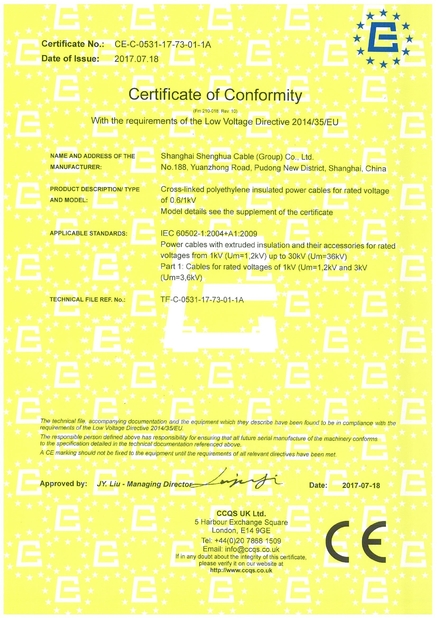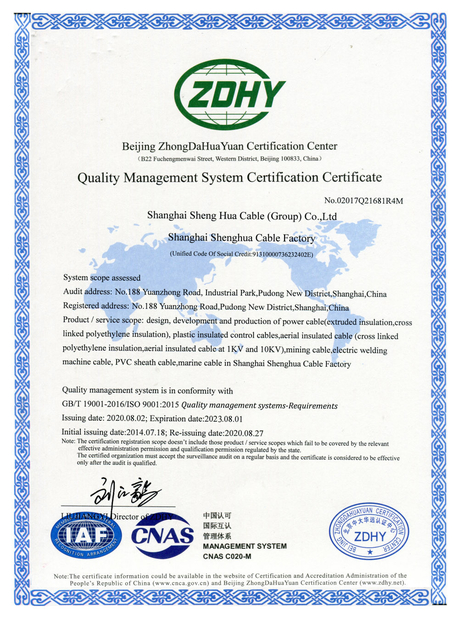
Şangay Shenghua Kablo (Grup) Co, Ltd

Akıllı binaların ve akıllı altyapının hızla gelişmesiyle birlikte, modern kablolama sistemleri her projenin “sinir sistemi” haline gelmiştir. Güç kaynağından sinyal iletimine kadar kablolar, bir yapının her köşesine kadar uzanır.
Ancak birçok mühendislik projesinde, dikkat genellikle yalnızca kablo modelleri ve miktarları üzerine odaklanır — alev geciktirici performans ise göz ardı edilir. Bu ihmal, ciddi yangın güvenliği riskleri oluşturabilir.
Yıllarca mühendislik deneyimine sahip profesyonel bir kablo üreticisi olarak, Shenghua Cable farklı uygulamalar için uygun alev geciktirici sınıfını nasıl seçeceğiniz konusunda pratik rehberlik sunar. Daha fazla ürün detayı ve sertifikalı çözümler için şu adresi ziyaret edin:
https://shanpowercable.com/
Kurulum ortamı, alev geciktirici gereksinimlerini belirlemede belirleyici bir rol oynar.
Örnekler:
Yeraltına doğrudan gömme
Metal, asbest veya çimento borular içine kurulum
Kapalı kablo kanalları
Bu nispeten kapalı veya korumalı alanlarda, harici yangın maruziyeti şansı daha düşüktür. Tutuşma meydana gelse bile, sınırlı oksijen ve alan alev yayılımını sınırlamaya yardımcı olur.
Öneri:
Alev geciktirici C veya D sınıfı uygun olabilir.
Örnekler:
Açık iç mekan kablo tepsileri
Dikey şaft kurulumları
Asma tavanlar veya ara katlar
Hava akışlı tüneller ve koridorlar
Bu alanlar daha kolay hava sirkülasyonu ve alev yayılımına izin verir. Yangın dikey ve yatay olarak ilerleyebilir, riski artırır.
Öneri:
Alev geciktirici B veya A sınıfı.
Örnekler:
Petrokimya tesisleri
Maden sahaları
Kimya fabrikaları
Yüksek sıcaklıkta fırın alanları
Bu tür ortamlarda, sıkı yangın güvenliği standartları uygulanmalıdır.
Öneri:
A sınıfı alev geciktirici kablolar veya Düşük Dumanlı Halojensiz (LSZH) A sınıfı kablolar.
Shenghua Cable, endüstriyel, altyapı ve yüksek riskli uygulamalar için özel olarak tasarlanmış sertifikalı alev geciktirici ve LSZH kablo çözümleri üretmektedir.
Alev geciktirici sınıf seçimi, aynı kurulum alanındaki toplam metalik olmayan malzeme hacmi tarafından da etkilenir.
Birden fazla kablo birlikte kurulursa:
Yangın izolasyon bariyerleri olmadan → tek bir birleşik alan olarak kabul edin
Uygun yangın dayanımlı ayırma ile → her bölmeyi bağımsız olarak değerlendirin
Metalik olmayan kılıf malzemesinin yoğunluğu ne kadar fazlaysa, potansiyel yangın yükü o kadar yüksek olur.
Yüksek yoğunluklu kurulumlar için, daha yüksek bir alev geciktirici sınıfı şiddetle tavsiye edilir.
Kablo kalınlığı tutuşma davranışını etkiler:
Küçük çaplı kablolar (20 mm altı)
Daha düşük ısı emilimi
Tutuşması daha kolay
Daha sıkı alev geciktirici kontrol gerektirir
Büyük çaplı kablolar (40 mm üstü)
Daha fazla ısı emilimi
Hızlı tutuşması daha az olası
Küçük kabloların hakim olduğu yerlerde, daha yüksek bir alev geciktirici sınıflandırması seçilmelidir.
Shenghua Cable mühendisleri, gerçek dünya yangın koşullarında optimum performansı sağlamak için hem malzeme bileşimini hem de kablo yapısını değerlendirir.
Aynı kanalda alev geciktirici ve alev geciktirici olmayan kabloları kurmak gizli riskler oluşturur.
Daha düşük dereceli bir kablo harici bir tutuşma kaynağı olarak işlev görebilir. Yüksek dereceli alev geciktirici kablolar bile, bitişik malzemelerden gelen sürekli yangına maruz kaldığında başarısız olabilir.
En iyi uygulama:
Aynı kurulum kanalında alev geciktirici sınıflarını tutarlı tutun.
Sınıflandırmaları karıştırmaktan kaçının.
Kritik altyapı projeleri için daha sıkı standartlar esastır.
Örnekler:
30 MW üzeri güç üniteleri
Yüksek binalar
Finans kuruluşları
Havaalanları ve ulaşım merkezleri
Büyük halka açık toplanma yerleri
Aynı çevresel koşullar altında, bu projeler daha yüksek güvenlik marjları gerektirir.
Öneri:
Düşük dumanlı halojensiz alev geciktirici kablolar.
Shenghua Cable, yanma sırasında duman yoğunluğunu ve toksik gaz emisyonunu en aza indiren LSZH çözümleri sunar — tahliye güvenliğini önemli ölçüde iyileştirir.
Güç kabloları daha yüksek yükler taşır ve daha yüksek sıcaklıklarda çalışır. Aşırı ısınma ve kısa devre risklerine daha yatkındırlar.
Kontrol ve sinyal kabloları:
Daha düşük voltaj
Daha küçük yük
Daha düşük çalışma sıcaklığı
En iyi uygulama:
Güç ve kontrol kablolarını ayrı kurun
Güç kablolarını kontrol kablolarının üzerine yerleştirin
Katmanlar arasına yangın izolasyon bariyerleri ekleyin
Bu, aşağı doğru alev yayılma ve erimiş malzeme tutuşma riskini azaltır.
20 yılı aşkın üretim tecrübesiyle Shenghua Cable şunları sunar:
Alev geciktirici A, B, C ve D sınıfı kablo çözümleri
Düşük dumanlı halojensiz (LSZH) kablolar
EAC, CE ve uluslararası sertifikalar
Endüstriyel, enerji ve altyapı sektörleri için özelleştirilmiş çözümler
Her projenin kendine özgü yangın güvenliği gereksinimleri vardır. Doğru alev geciktirici sınıfını seçmek yalnızca uyumlulukla ilgili değildir — hayatları, varlıkları ve uzun vadeli operasyonel güvenilirliği korumakla ilgilidir.
Teknik danışmanlık veya ürün özellikleri için şu adresi ziyaret edin:
https://shanpowercable.com/
Shenghua Cable Hakkında
Shenghua Cable, küresel enerji ve altyapı pazarlarına hizmet veren güç, kontrol ve özel kabloların profesyonel bir üreticisidir. Şirket, zorlu ortamlarda ürün güvenilirliği, güvenlik uyumluluğu ve mühendislik performansına odaklanmaktadır.